
Mastering the Art of Cash Flow: A Guide to Financial Balance
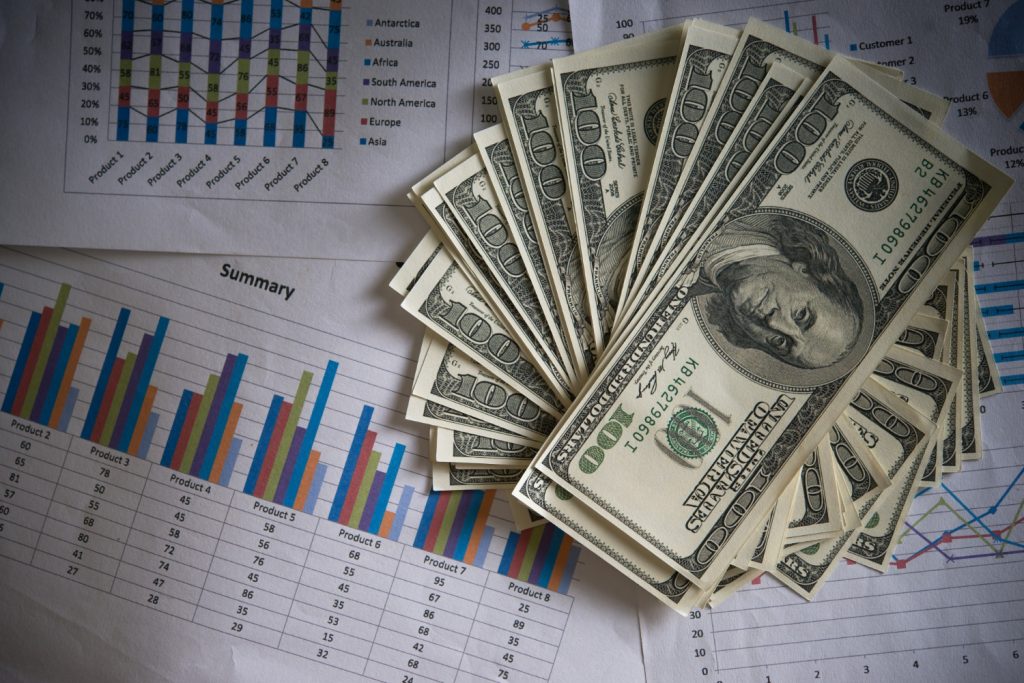
In the intricate dance of personal and business finance, cash flow serves as the steady rhythm that keeps everything moving smoothly.Mastering the art of cash flow isn’t just about tracking numbers on a spreadsheet — it’s about understanding the ebb and flow of resources that fuel growth, stability, and possibility. This guide to financial balance unravels the essentials of managing income and expenses with clarity and purpose,offering practical insights to help you navigate the complexities of money management. Whether you’re an entrepreneur aiming to sustain your enterprise or an individual seeking financial harmony, harnessing cash flow effectively is the key to unlocking lasting financial well-being.
Understanding the Foundations of Cash Flow and Its Impact on Financial Stability
At its core, cash flow represents the lifeblood of any individual or business, dictating the rhythm of financial health through the movement of money in and out. Understanding this fluid dynamic is essential not just for survival, but for crafting a future of fiscal resilience. Positive cash flow ensures obligations are met and opportunities seized, while negative cash flow signals caution and potential upheaval.
Key Elements That Influence Cash Flow Include:
- Income streams and their consistency
- Operational expenses and unpredictabilities
- Investment activities and returns
- Debt management and obligations
A clear grasp of thes components helps stakeholders anticipate hurdles and align spending strategies accordingly. Consider the following simplified cash flow snapshot, illustrating how effective management can maintain financial stability even amidst fluctuating revenues:
| Month | Cash Inflows | Cash Outflows | Net Cash Flow |
|---|---|---|---|
| January | $15,000 | $10,500 | $4,500 |
| February | $13,000 | $14,000 | -$1,000 |
| March | $16,500 | $12,300 | $4,200 |
Strategies for Accurate Cash Flow Forecasting and Budgeting
Crafting a reliable forecast begins with a deep dive into your business’s unique financial rhythm. Start by analyzing ancient cash flow trends, recognizing recurring income and expenses, and identifying seasonal fluctuations. Incorporate both fixed and variable costs into your projections, but don’t stop there—account for unexpected expenses and potential delays in receivables. Utilizing dynamic tools like rolling forecasts allows you to continuously update predictions, adjusting for real-time data and market changes. This proactive approach not only improves accuracy but also empowers decision-making under uncertainty.
To maintain budget discipline, consider implementing these essential techniques:
- Scenario Planning: Model best-case, worst-case, and most-likely financial situations to prepare for diverse outcomes.
- Cash Flow Buffers: Set aside contingency funds to cushion against unforeseen shortfalls.
- Regular Review Cycles: Schedule frequent comparisons between projected and actual cash flows to identify gaps early.
| Strategy | Benefit | Implementation Tip |
|---|---|---|
| Scenario Planning | Risk mitigation | Use past data to stress-test assumptions |
| Cash Flow Buffers | Financial Versatility | Maintain 3-6 months of operating expenses |
| Regular Reviews | Early Problem Detection | Monthly forecasting meetings |
Optimizing Income Streams to Enhance Cash Flow Consistency
Ensuring your income streams are both diverse and reliable is crucial for achieving financial equilibrium. Relying heavily on a single source can expose your cash flow to unexpected shocks, whereas cultivating multiple avenues helps smooth income volatility over time. Strategic augmentation through side ventures, passive income, or investments can transform fluctuating inflows into a steady, predictable cadence. This approach not only cushions against seasonal dips but also leverages opportunities for growth by balancing risk and reward across a portfolio of revenue sources.
To effectively manage these streams, consider categorizing them based on consistency, risk, and growth potential. The table below illustrates a simple framework that can guide your prioritization and optimization efforts:
| Income Stream | Consistency | Risk Level | Growth Potential |
|---|---|---|---|
| Primary Salary | High | Low | Medium |
| Freelance Projects | Medium | Medium | High |
| Rental Income | High | Low | Medium |
| Dividend Stocks | Medium | Medium | High |
| Online Courses | Low | Medium | High |
Building and nurturing your income portfolio means continuously evaluating each stream’s performance and alignment with your financial goals. Be proactive in identifying emerging opportunities,and don’t shy away from recalibrating your focus as market conditions change. Remember, the goal is never just to have multiple incomes, but to design a dynamic ecosystem where every stream contributes to a harmonious and consistent cash flow rhythm.
Practical Techniques for Managing Expenses and Avoiding Cash Flow Pitfalls
To maintain a steady financial pulse, it’s essential to embed discipline into your spending habits. Start with tracking every expense meticulously, differentiating between needs and wants. creating a flexible budget that adapts to unexpected costs allows you to stay ahead of cash flow disruptions. incorporating periodic reviews — weekly or monthly — helps identify emerging spending patterns that could jeopardize financial equilibrium. Consider leveraging digital tools or apps designed specifically for expense management to automate reminders and generate instant reports,making the process both effortless and insightful.
Another powerful tactic is to build a buffer through strategic cash reserves. Allocating a small portion of your income into an emergency fund acts as a safety net during lean periods. Here’s a simple framework to visualize your reserve goals:
| Months of Expenses | Recommended Savings (%) |
|---|---|
| 1-2 | 10% |
| 3-4 | 25% |
| 5-6 | 50% |
| 6+ | 75% or more |
Alongside savings, establish clear payment priorities and negotiate terms where possible to enhance liquidity. Implementing these methods cultivates not just short-term stability but also builds resilience against unexpected financial shifts.
- Regularly reconcile bank statements to spot discrepancies early
- Automate bill payments to avoid late fees and missed deadlines
- Review subscription services and cancel unused ones
- Set spending limits on variable expenses to prevent overreach
Final Thoughts…
As you navigate the intricate currents of cash flow, remember that mastering this art is less about rigid formulas and more about harmonious balance. It’s a continuous dance between inflows and outflows, a practise of awareness and adjustment that transforms numbers into clarity and control. With the insights and strategies shared here, you’re now equipped to steer your financial journey with confidence—embracing both the challenges and opportunities that come your way. Ultimately, achieving financial balance isn’t a final destination but an evolving process, one where mindful management of cash flow lights the path to sustainable success.







Leave a Reply
Want to join the discussion?Feel free to contribute!